Coway
Coway Airmega 200M
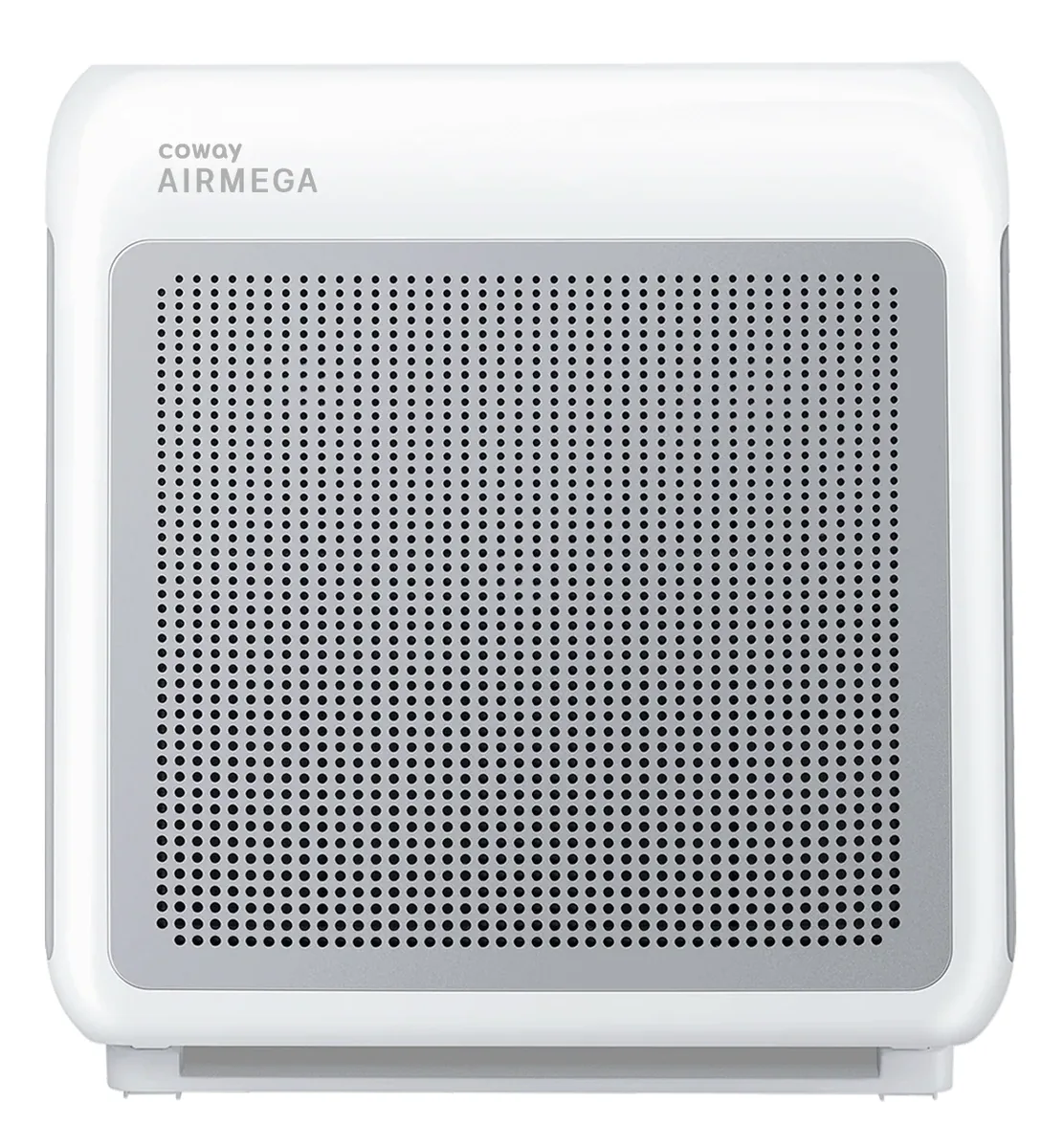
The Airmega 200M is the AP-1512HH wearing a different shirt — same motor, same filters, same AHAM-verified 233 CFM smoke CADR and 361 sq ft rating, but with a squared-off grille and a round LED display instead of the Mighty's ring. TechGearLab and HouseFresh both measured performance effectively identical to the 1512HH, which is precisely the appeal: whichever of the two is cheaper on a given day is the right buy, and the 200M frequently undercuts its sibling at Walmart and Wellbots. It shares the Mighty's strengths (24 dB low speed, eco mode that idles the fan when air is clean, switchable ionizer, 3-year warranty) and its weaknesses (dated dust sensor, no Wi-Fi, bright display at night — though the 200M's lamp is a bit dimmer than the 1512HH ring). Filters interchange between the two, so the huge 1512HH replacement ecosystem applies. in air-purifier owner discussions the standing advice is literally 'AP-1512HH and 200M are the same machine; buy on price.' If you prefer the look, or find it $20 cheaper, there is zero performance penalty — this is the most boring, sensible pick in the class.
Specifications
Highlights
Pros
- ✓Identical AHAM-verified performance to the Wirecutter-favorite 1512HH
- ✓Often on sale below $150 at Walmart and Wellbots
- ✓Quiet 24 dB minimum with eco fan-stop mode
- ✓Cheap interchangeable filters (~$50/yr)
- ✓3-year warranty
- ✓Switchable ionizer, off by default
- ✓Simple physical controls — nothing to pair or update
Cons
- ✗No Wi-Fi or app control
- ✗Same dated, occasionally sluggish dust sensor as the 1512HH
- ✗55 dB on max speed
- ✗Display light still noticeable in a dark bedroom
- ✗Boxy design is divisive next to the Mighty's rounded look
Common Questions
What's actually different from the AP-1512HH Mighty?
Does the 200M have Wi-Fi or an app?
Are the coverage numbers honest?
What do filters cost, and do AP-1512HH filters fit?
Compare the Coway Airmega 200M
Related air purifiers
More from Coway →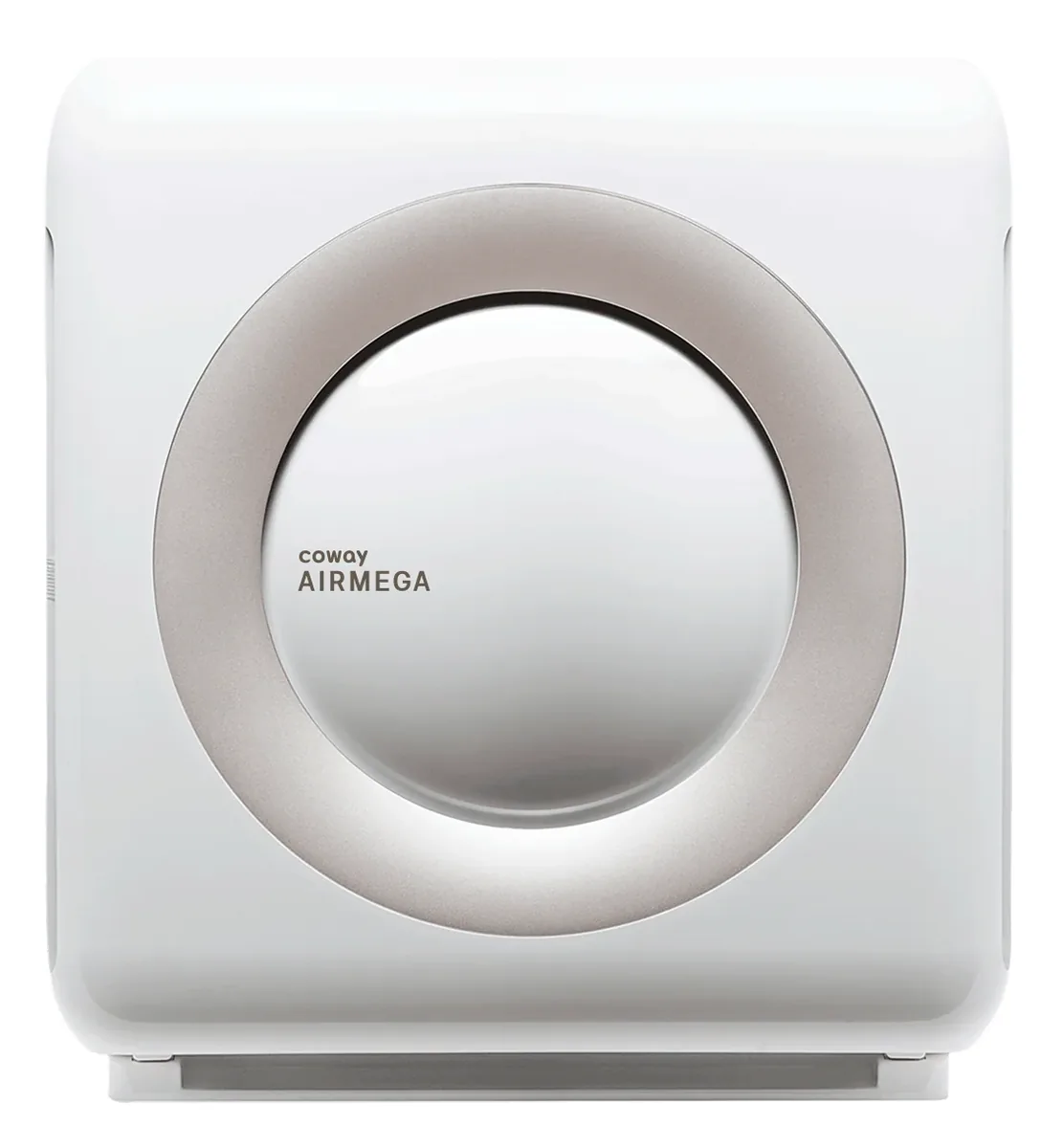
The AP-1512HH is the air purifier the entire industry gets measured against — a Wirecutter top pick for over a decade and still the default air-purifier owner discussions recommendation for a 300-400 sq ft room. The formula hasn't changed: AHAM-verified 233 CFM smoke CADR, a genuinely quiet 24 dB low speed, an eco mode that shuts the fan off when air is clean, and a decade-long track record of motors that simply don't die. HouseFresh's long-term testing repeatedly confirms it outperforms newer, pricier rivals per dollar. The honest caveats: the air quality sensor is dated and slower to react than a Levoit 400S or Winix auto mode, the bright AQ ring needs a manual lamp-off press at night (it doesn't dim automatically on older units), and max speed is audible at 54 dB. The switchable ion feature ('Vital Ion') is best left off. Coway launched a successor, the Airmega Mighty2 (AP-1512N), in March 2026, but the original remains in production and is usually cheaper — buy whichever is on sale. Versus the Winix 5500-2 it trades washable-carbon economy for a longer 3-year warranty and lighter body.
Coway
Coway Airmega 400
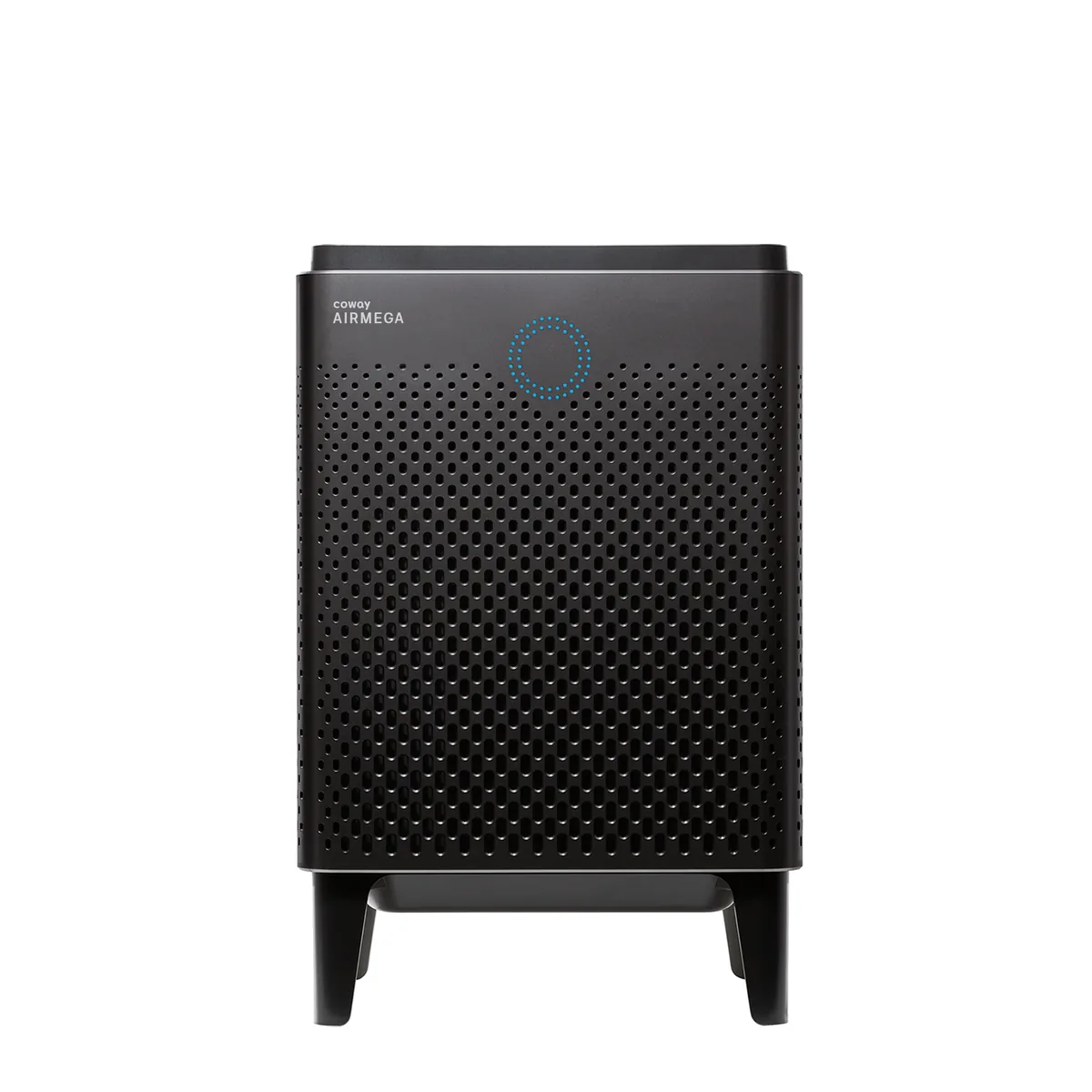
The Airmega 400 has been the quiet-workhorse pick for open-plan spaces since 2017, and it remains current in Coway's 2026 lineup alongside the Wi-Fi 400S. The dual-sided intake feeds two Max2 carbon/HEPA cartridges, producing a smoke CADR of 328 CFM - honest AHAM coverage around 508 sq ft, not the advertised 1,560 (that figure assumes just 2 air changes per hour). What the spec sheet undersells is how pleasant it is to live with: 22 dB on low, a muted 52 dB even at max (rare for this much airflow - the Honeywell HPA300 hits 63 dB doing less), a good particle sensor with a glanceable LED ring, and a smart mode that drops to fan-off eco when air stays clean. The twin cartridges also carry roughly double the carbon of most rivals, so it out-punches Levoit on kitchen and smoke odors. Costs are the trade-off: ~$130/yr in filters is more than double a Core 600S, and street price bounces between $300 and $450. long-term owners report 5+ years of uneventful service, which the 5-year motor warranty backs up. If the 600S is the spreadsheet winner, the 400 is the one people keep recommending after living with both.
Coway
Coway Airmega 250
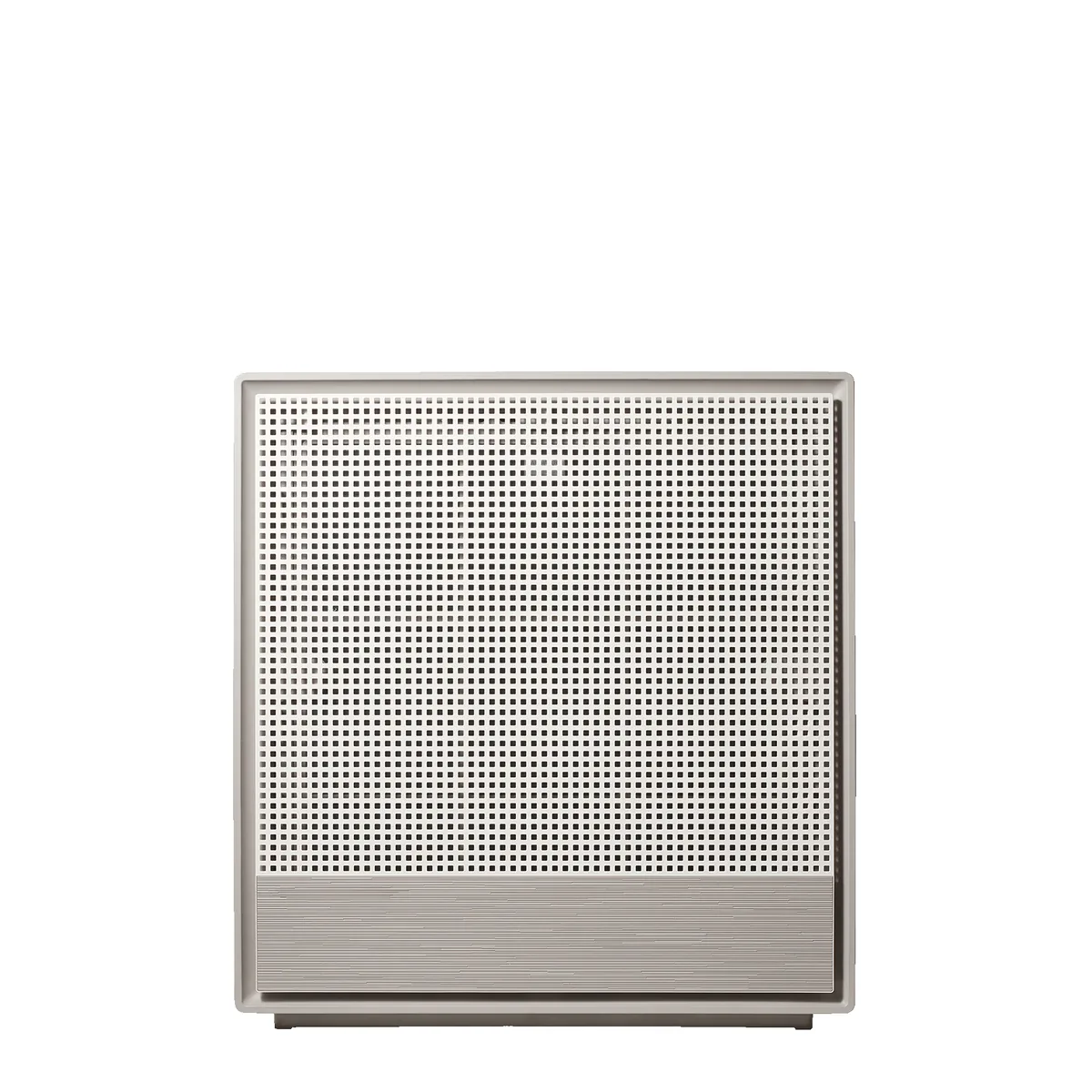
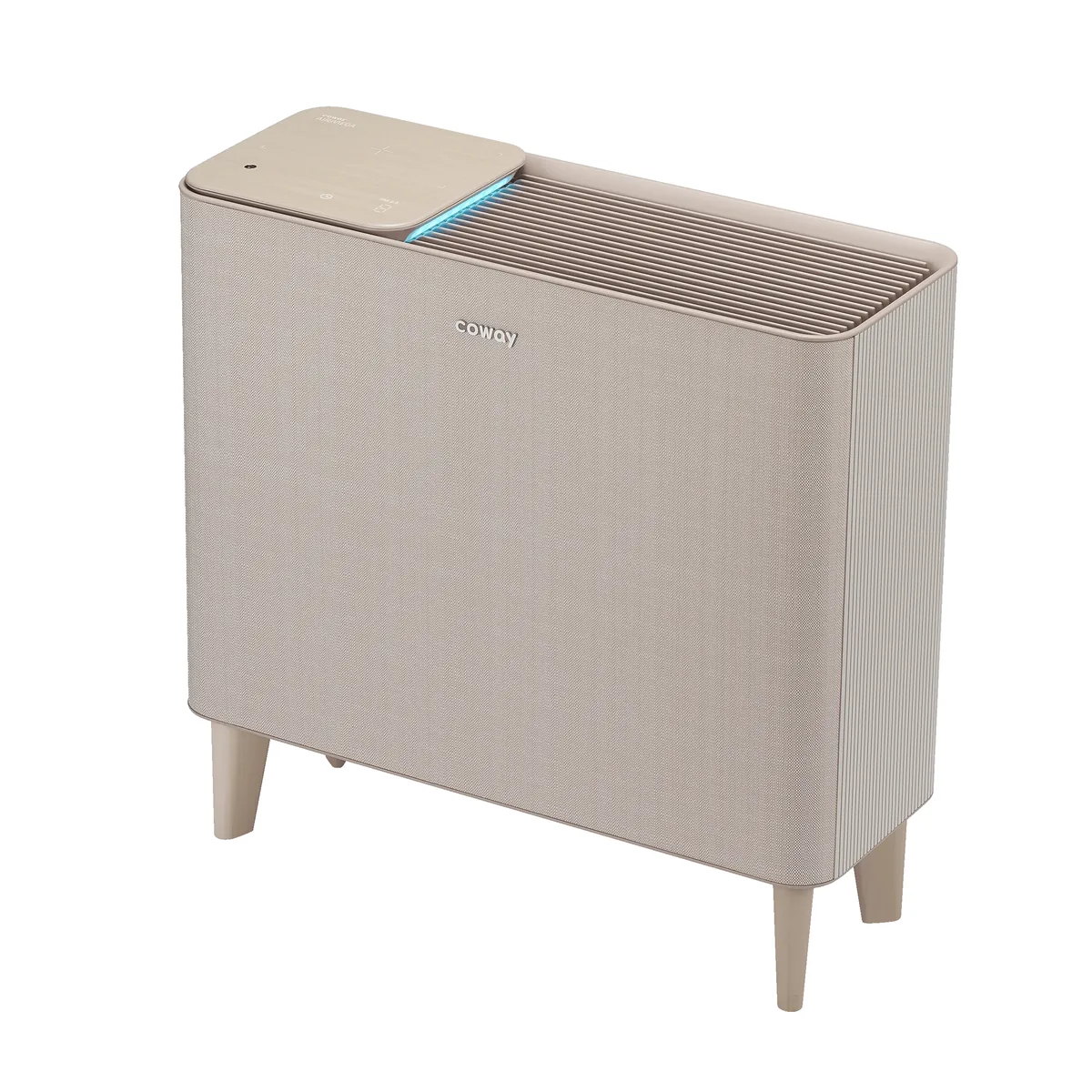
The Airmega 250 is Coway trading on its Mighty reputation in a wider, furniture-styled cabinet, and it's a case study in reading specs carefully. Coway advertises 930 sq ft, but the smoke CADR is 249 CFM - honest AHAM coverage is 386 sq ft, so the marketing figure assumes a leisurely 2 air changes per hour. Within that real footprint it's a genuinely refined machine: HouseFresh's review of the 250S praised the build and the smooth, quiet operation (22 dB on low), and the fabric-look design reads more like a soundbar than an appliance. The three-stage system pairs a washable mesh pre-filter with Coway's Max2 combined carbon/HEPA cartridge, and the particle sensor drives a responsive auto mode with a colored air-quality ring. The problem is price-to-airflow: at its common $300-400 street price you're paying Airmega 400 money for Mighty-class CADR, and a Levoit Core 600S delivers 65% more airflow for less. You buy the 250 for the quieter sound signature, the 5-year warranty, and the living-room looks, not for specs. Skip the Wi-Fi-less base model's premium unless it's on sale; owner regulars mostly point buyers to the 400 or a Levoit instead.
Coway
Coway Airmega IconS
The IconS answers a question mostly asked in design magazines: what if an air purifier looked like a mid-century console table and charged your phone? It's Coway's design-line flagship — a slanted-leg cabinet with a Qi wireless charging pad on top and the WiFi/app/voice features the plain Icon lacks. The catch is that you know exactly what Coway airflow costs, because Coway sells it to you cheaper elsewhere: this is 173 CFM of smoke CADR for $749, while the company's own dowdier Airmega 300S delivers roughly double the airflow for hundreds less, and the legendary Mighty (AP-1512HH) gets within shouting distance for a fifth of the price. Reviewers at TechHive and Reviewed liked the thing itself — build quality is real, the particle sensor is responsive, Eco mode shuts the fan off when air stays clean, and 21 dB on low is bedroom-grade silent. But the 649 sq ft claim leans on a 2 ACH assumption; honest 4.8 ACH coverage is about 268 sq ft, medium-room duty. Air-purifier owner discussions' shorthand for this machine is 'the Coway you buy with your eyes.' If the IconS's furniture act is what gets a purifier allowed into your living room, it's a competent, well-supported machine. If not, Coway's own catalog is the strongest argument against it.
Winix
Winix 5500-2
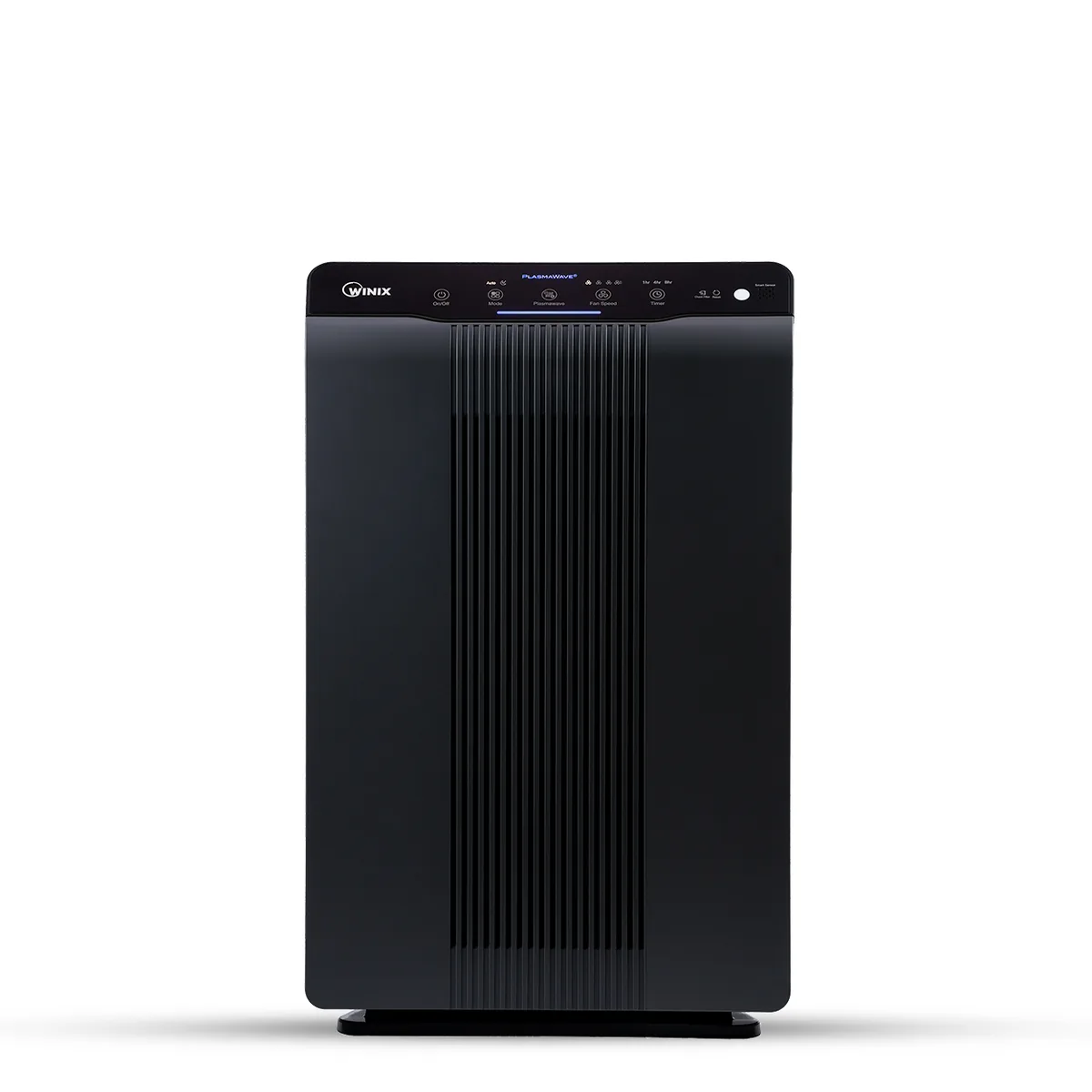
The 5500-2 is air-purifier owner discussions' undisputed value king — the answer to roughly every third 'what should I buy' thread for years. Its AHAM-verified 232 CFM smoke CADR matches the Coway Mighty, but it adds a genuinely useful washable AOC carbon filter (real pelletized-carbon odor removal, not a dusted sheet) and one of the best auto modes at any price, backed by HouseFresh testing that clocked it clearing their test chamber faster than machines costing $100 more. Now the asterisk: Winix confirmed in 2025 that the 5500-2 and 5300-2 are discontinued in North America once inventory sells through, replaced by the Winix 5510. Filters will keep shipping until 2032, so buying one today is still safe, and street prices around $160 (often $130 on sale) remain the class's best CADR-per-dollar. Compared with the Coway you give up a year of warranty and a few dB at the top end (65 dB turbo is loud), and gain better odor handling and the superior sensor. PlasmaWave is Winix's plasma ionizer — it's switchable, and most owners run with it off. If you see it on clearance, this is still the smart-money buy of the entire mid-size class.
AirFanta
AirFanta 3Pro
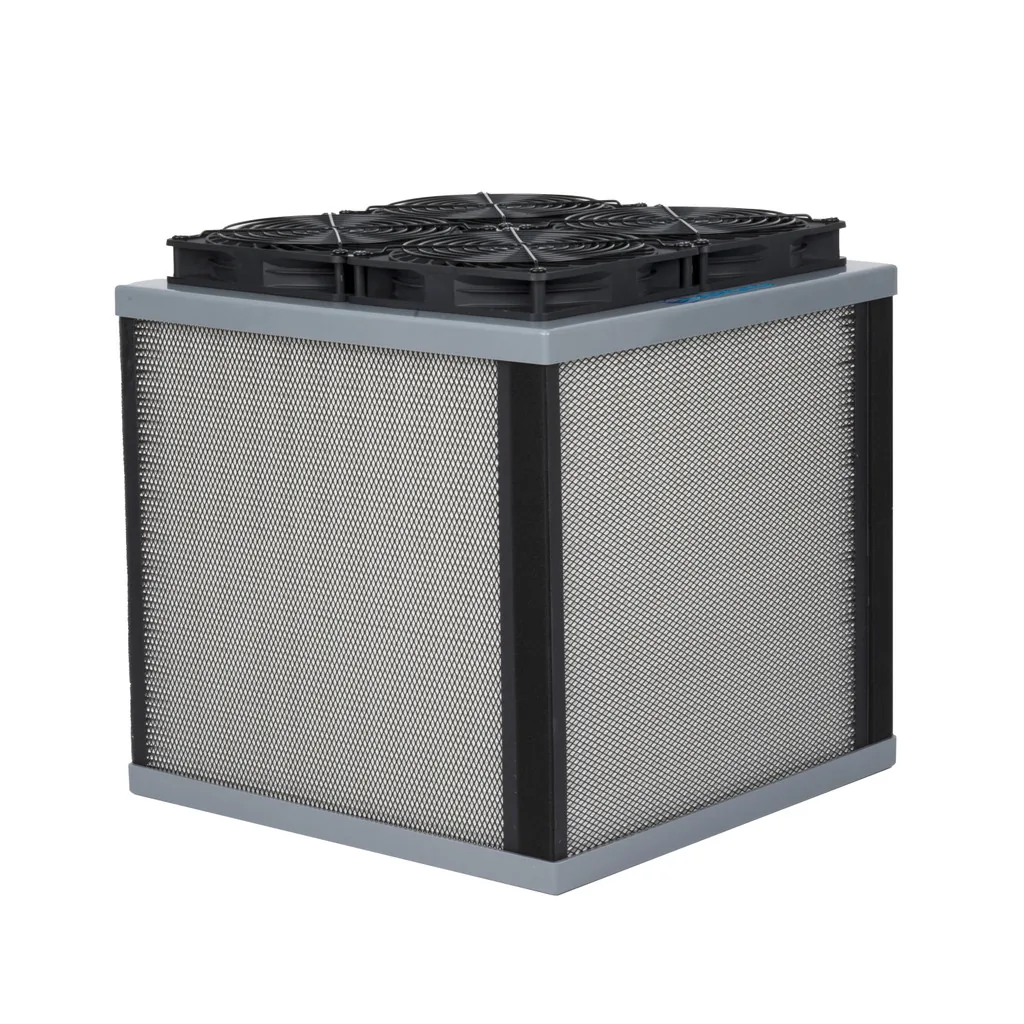
The 3Pro is the Corsi-Rosenthal box graduated from duct-tape science project to actual product: four HEPA panels clipped into a cube with four PC fans on top, disassembling flat enough to fit in a carry-on. The numbers are silly for the price. HouseFresh measured 353 CFM of PM1 CADR — more measured clean air than the $1,200 IQAir HealthPro Plus, the $1,015 Molekule Air Pro, and the $550 Dyson TP07 combined margin of error — and their test room cleared in 17 minutes, quicker than machines costing $450+. Even throttled below 45 dB it still delivers 213 CFM, and max power draw is a modest 43W. This is the machine air-purifier owner discussions mean by 'CADR per dollar,' and it's become the default rebuttal to every premium purifier thread. Now the honesty: the 3,100 sq ft claim assumes a uselessly lenient 1 ACH (real 4.8 ACH coverage is ~530 sq ft), it's louder at full blast than DIY PC-fan kits, the H11 panels are proprietary rather than hardware-store spec, and it looks like lab equipment because it is. No sensor, no auto mode, no app — you turn a voltage knob. As pure clean-air-per-dollar engineering, nothing else on this site is close.